True Language
Writing about the future that is already becoming.
I recently set a goal to write more in 2026.
Twenty-five.
It was an easy number to throw out haphazardly, fewer than half the weeks in the year. "Twenty-five what?" the obvious question followed.
Essays. Short stories. Something, anything written and shared, instead of hoarded away in the vault where all my ideas go and few leave.
But, if I were going to do this right, I was going to need to make a decision.
Twenty-five random articles, unrelated stories, and mundane musings would realize none of what I aimed to do with my writing.
I'd need to finally pick one 'something' to write about.
So, I thought about and pondered. I waited for the universe to nudge me in the right direction.
I have a deep desire to consume information that leads me to buy many more books than I could ever read.
I purchase thick, heavy tomes on topics that spark even a remote interest, skimming them briefly before storing them on a bookshelf for years. Not every book needs to be read deeply, so I keep this habit alive, despite my rapidly shrinking (and often expanding) free shelf space.
Every time I go to the store, I check to see if they have anything written by Vernor Vinge I haven't read. Vinge was one of the greatest sci-fi writers in the last century, and I was introduced to his work in my early 20s, when an online guildmate (i.e., fellow nerd) recommended The Fire Upon the Deep.
"You'll love it," he said.
I did.
Many of his other books soon followed. They were thoughtful to the point of absurdity. He wrote science fiction that begged one to understand the implications of technology on minds both alien and human, and I loved every page.
Shortly after making my goal to write more, during my weekly shepherding of small children through Half Price Books, I stumbled upon one of Vinge's early works.
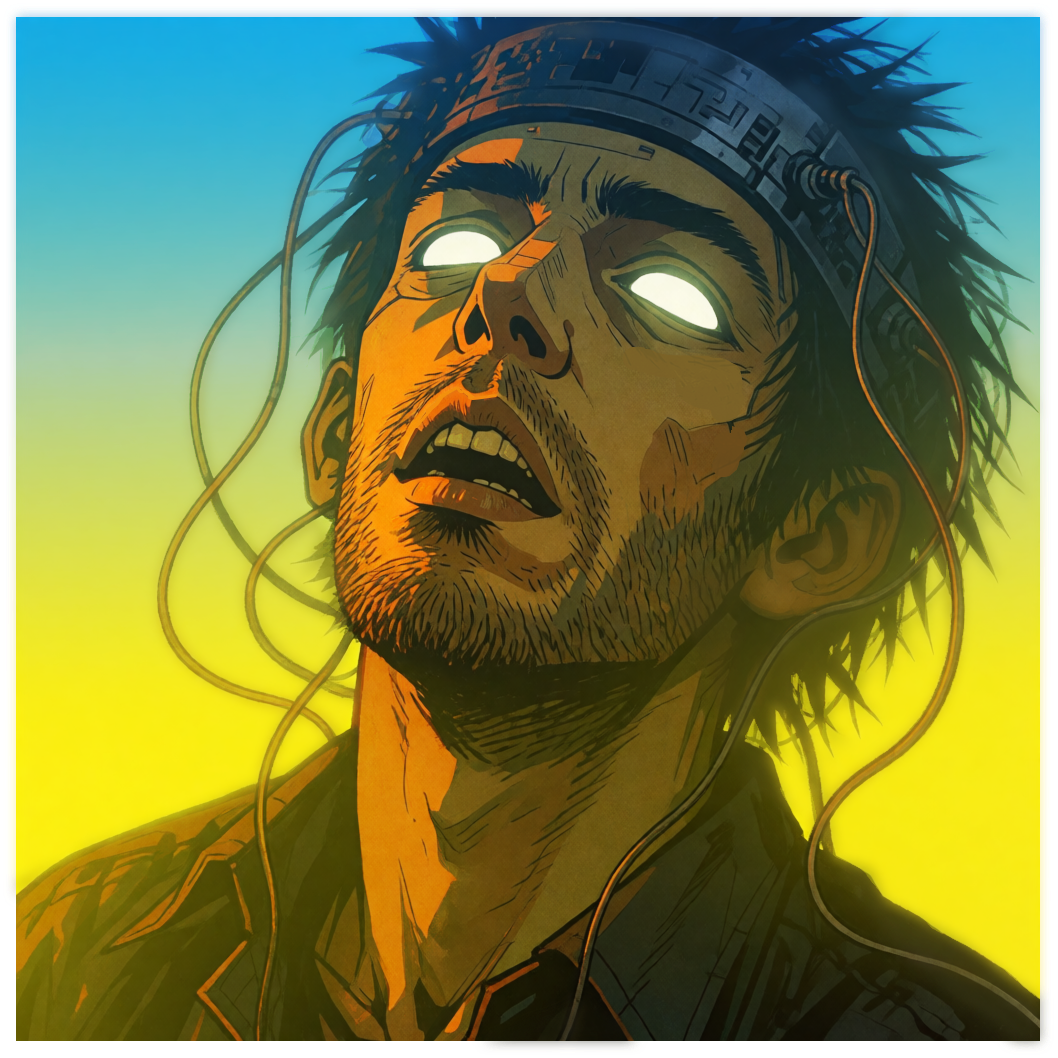
True Names—an early book of his that explored the concept of cyberspace and the metaverse before those terms were even coined by Gibson and Stephenson.
I bought it, and then understood what I ought to be writing.
Vinge did not write solely for entertainment. He viewed sci-fi as a vehicle to inspire those technologists who might be compelled to shape the world; to show both what might be coming, as well as that which is already becoming.
In a 2017 interview, he said, "Writing, more than any other present-day art form, co-opts the mind of the user as a display device." He attended to the very cognition of his audience, suggesting the shape of worlds that might be possible.
In reading True Names, I realized that I too had been successfully influenced. I, too, wanted to write about those things, and suggest what the future might bring.
Having my mind co-opted might feel more unsettling if I didn't see the horizon Vinge was pointing to as clearly as he would have hoped when writing.
So, twenty-five.
They might be essays about what I see happening today in technology.
Or, short stories about the possible implications of those changes, where trying to explain concepts doesn't hit quite as viscerally as showing what the world might yet become.
I'll avoid the mundane musings, and endeavor to share only what might offer insight.
And, most importantly, to those who I am accountable to, this one counts.
So, twenty-four.